Exploring the Latest Trends in Residential Construction: What Homeowners Need to Know


Introduction to Modern Residential Construction
The world of residential construction is constantly evolving, with new trends and technologies shaping the way homes are built and renovated. As a homeowner, staying informed about these trends can help you make the best decisions for your living space. In this post, we’ll explore some of the latest trends in residential construction that are making waves in the industry.
Embracing Sustainability
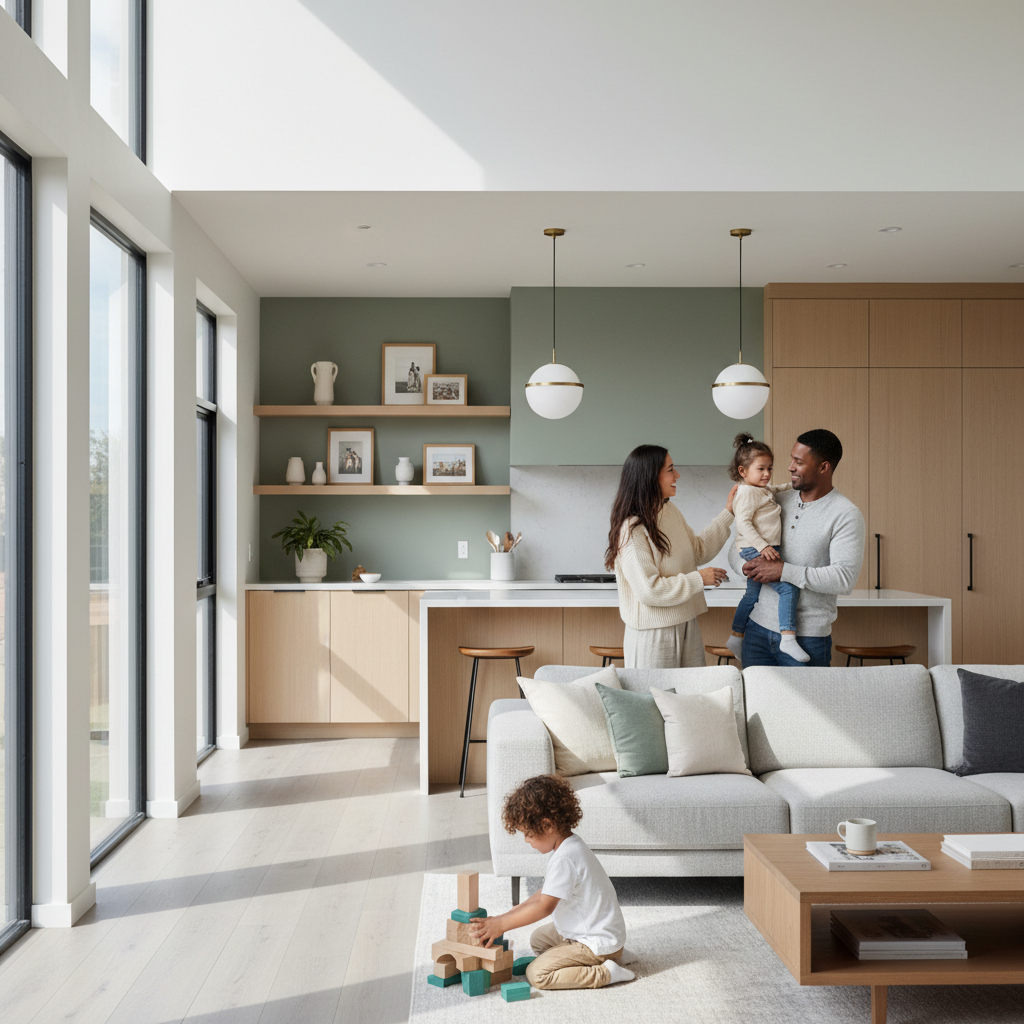
Sustainability has become a key focus in residential construction. Homeowners are increasingly interested in reducing their carbon footprint and embracing eco-friendly practices. This includes the use of sustainable materials like bamboo, reclaimed wood, and recycled metal. Furthermore, energy-efficient designs and technologies are being integrated into homes to reduce energy consumption.
Solar Panels and Energy Efficiency
Solar panels are an excellent investment for homeowners looking to harness renewable energy. Not only do they reduce electricity bills, but they also contribute to a more sustainable environment. Additionally, energy-efficient appliances and smart home technologies are becoming standard, allowing homeowners to monitor and control their energy use more effectively.
Smart Home Integration
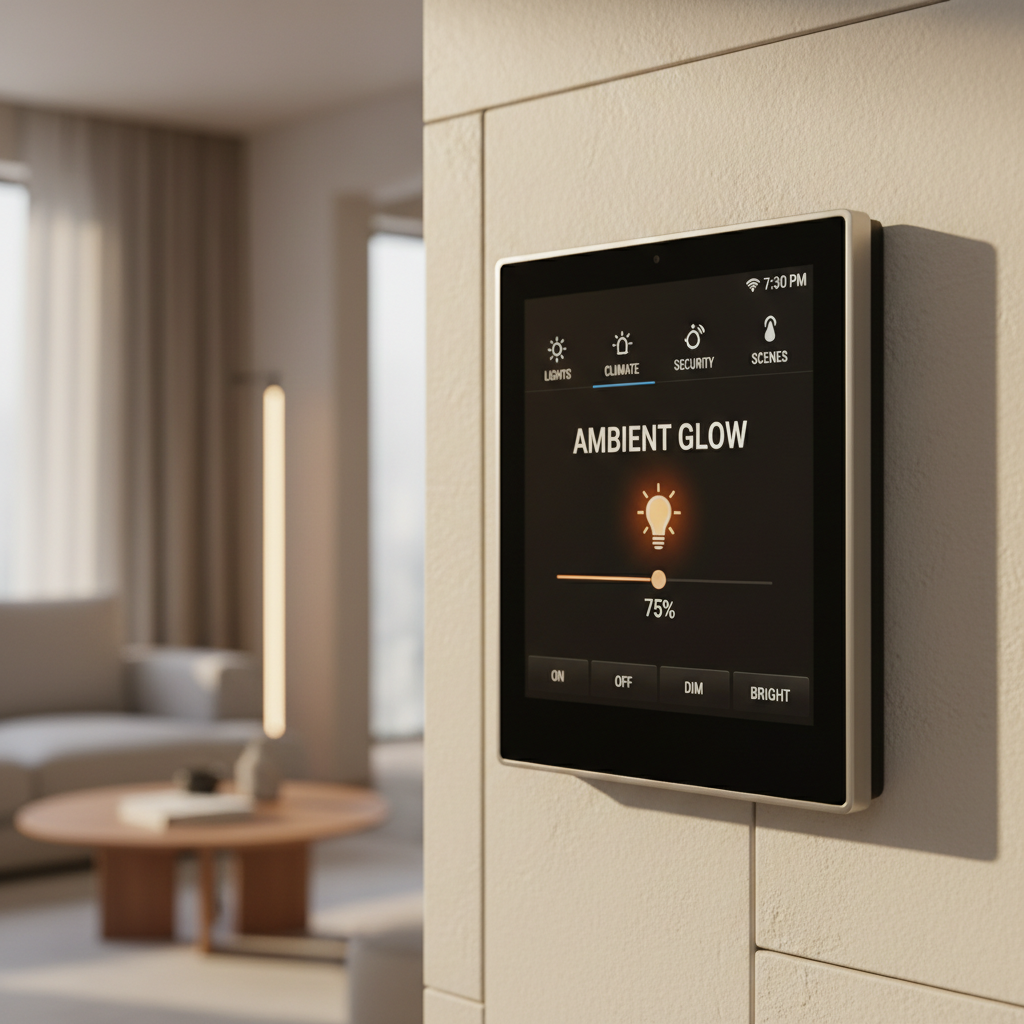
The integration of smart technology in homes is no longer a luxury but a standard expectation. From smart thermostats to automated lighting systems, these technologies offer convenience and improved energy management. Homeowners can control various aspects of their home environment through their smartphones or voice-activated assistants.
Security and Automation
Home security has also benefited from smart technology. Advanced security systems with features like video doorbells, smart locks, and surveillance cameras provide peace of mind to homeowners. Automation extends beyond security, with systems in place to regulate temperature, lighting, and even irrigation systems automatically.
Open and Flexible Spaces
Modern homeowners value open and flexible spaces that can adapt to various needs. Open floor plans that combine the kitchen, dining, and living areas are popular for promoting interaction and a sense of spaciousness. Flexible spaces that can be easily reconfigured to serve different purposes are also in demand.
Multifunctional Rooms
The idea of multifunctional rooms is gaining traction. Home offices, for instance, are being designed to double as guest rooms or play areas. This versatility helps homeowners maximize the usability of their space without the need for extensive renovations.
Biophilic Design
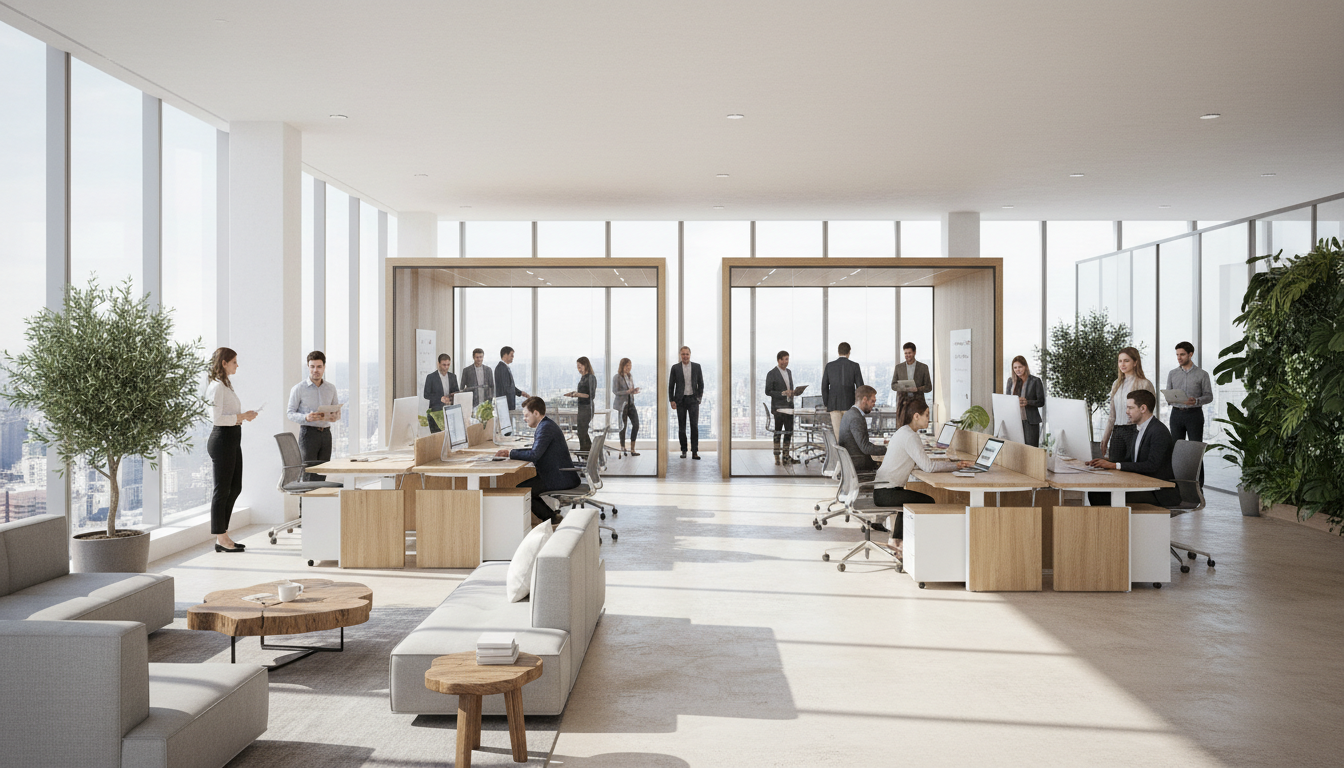
Biophilic design, which integrates natural elements into the home, is becoming increasingly popular. This design approach aims to create a connection between the indoors and outdoors, enhancing the well-being and comfort of inhabitants. Features like large windows, indoor plants, and natural materials contribute to this trend.
Outdoor Living Areas
Outdoor living areas such as patios, decks, and gardens are being designed as extensions of the home. These spaces are perfect for relaxation and entertaining, providing a seamless transition between indoor and outdoor environments.
Conclusion
As the trends in residential construction continue to evolve, homeowners have more options than ever to create a living space that is sustainable, smart, and adaptable. By staying informed about these trends, you can make choices that not only enhance your home’s functionality but also its value and environmental impact.